|
Office of the CAO
|
|
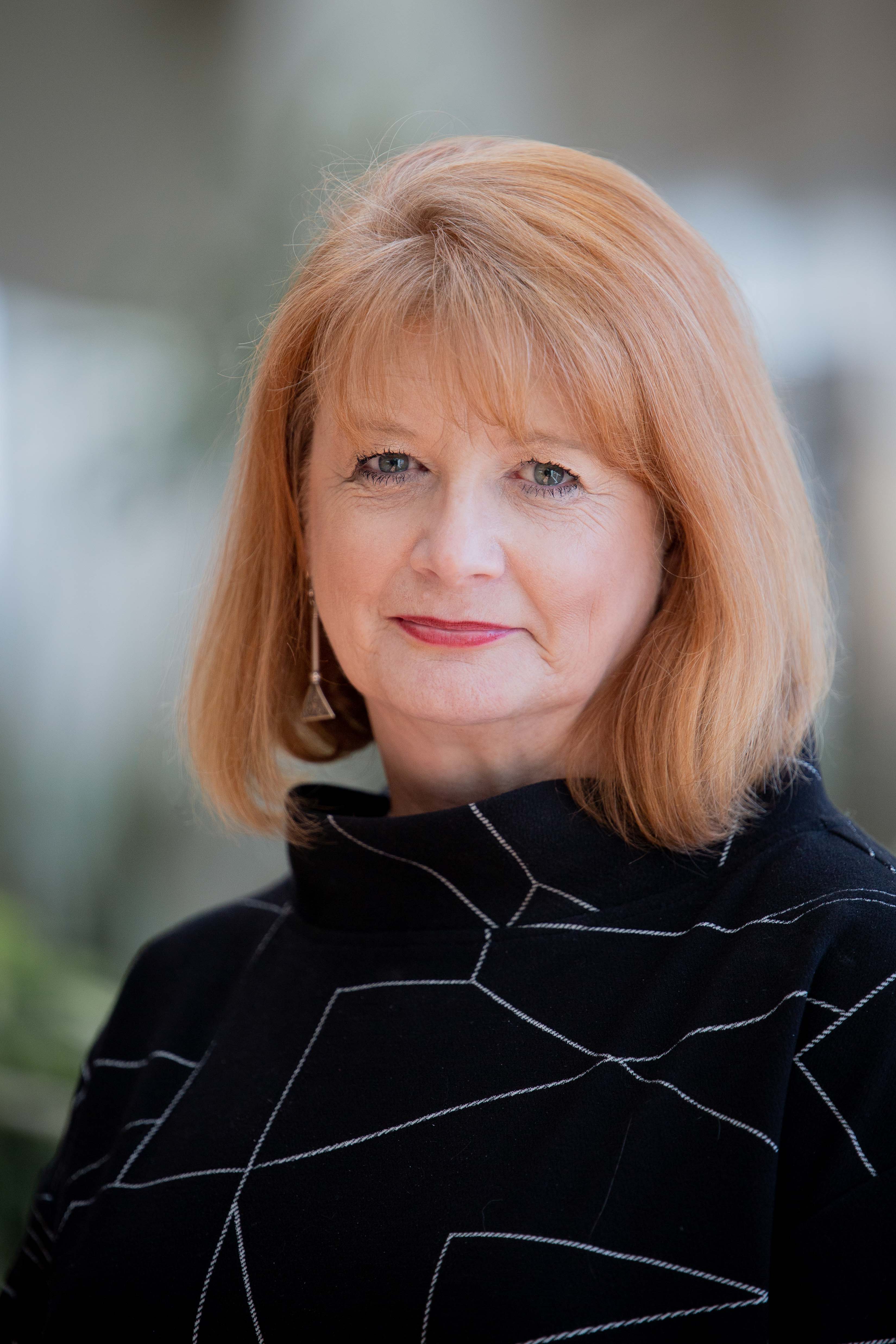
Elaine Baxter-Trahair - Chief Administrative Officer
The Office of the Chief Administrative Officer (CAO) oversees four program areas, Corporate Communications, Strategic Initiatives, Emergency Management and Diversity, Equity and Inclusion, in addition to the corporate Department Head team.
Email Elaine Baxter-Trahair
| Communications and Engagement Office |
|
Alison Burgess, Executive Director - Communications and Engagement
The Communications and Engagement Office provides strategic leadership and support to help the Region communicate clearly, consistently, and effectively with residents, partners, staff, and stakeholders. The team delivers corporate communications and creative services that help explain Regional programs, services, and decisions; leads government relations to advocate for Durham’s needs to upper levels of government; and helps facilitate meaningful community engagement to reflect community voices, and strengthen relationships across Durham Region.
Email Alison Burgess
|
| Emergency Management |
|
Jessica Eng, Director – Durham Emergency Management Office
The Durham Emergency Management Office (DEMO) is responsible for The Regional Municipality of Durham's emergency management program. The program keeps residents safe. It improves Durham's ability to recover from emergencies.
Email Jessica Eng
|
|
Legal Services
|
|
Jason Hunt - Regional Solicitor
As Regional Solicitor and the Director of Legal Services, Jason oversees three operations within the Legal Services division of the Office of the CAO. A team of lawyers and the legal support team provide legal advice and representation to all of the departments across the corporation. The Provincial Offences Act - Court Services operates 4 courtrooms, a trial scheduling counter and a payment counter to address thousands of court matters a year. The Provincial Offences Act - Prosecution Services consists of a team of prosecution assistants and prosecutors who carry out the prosecution of offences under a number of provincial Acts (such as the Highway Traffic Act) as well as Regional Bylaws.
Email Jason Hunt
|
|
Diversity, Equity and Inclusion
|
|
Allison Hector-Alexander, Director - Diversity, Equity and Inclusion
The Diversity, Equity and Inclusion (DEI) division works with staff, service providers, and local communities to advance equity, reconciliation and anti-racism through evidence-based policies and practices. The team works on initiatives that support the Region’s commitment to creating an inclusive workplace and community where everyone feels a sense of belonging and each person’s contributions are valued.
The Division’s work is focused on identifying and removing barriers in the workplace and community that relate to one or more of the protected grounds of the Ontario Human Rights Code: citizenship, race, place of origin, ethnic origin, colour, ancestry, disability, age, creed, sex/pregnancy, family status, marital status, sexual orientation, gender identity, gender expression, receipt of public assistance, and record of offences.
The DEI Division is responsible for:
- The Regional Community Safety and Well-Being Plan
- Multi Year Accessibility Plan
- Local Immigration Partnership
Through these programs we strategically lead Durham Region through several interconnected initiatives; education and awareness, improving access to services, building partnerships and programs, measuring diversity and inclusion, and developing practice frameworks to guide decision-making.
Email Allison Hector-Alexander
|
|
| Corporate Services |
|
Barb Goodwin - Commissioner of Corporate Services
Corporate Services is comprised of four divisions: Human Resources, Information Technology, Legislative Services and Service Durham.
Email Barb Goodwin
| Human Resources |
|
Louise O’Dell, Director - Human Resources
The Human Resources Division is committed to the Region’s corporate values by providing fair, transparent, and efficient supports to its employees throughout the entire employee life cycle. These include labour relations, compensation, benefits, talent acquisition & organization development, health, safety & wellness, human resources policies, and human resources information systems to support and ensure a well-qualified, diverse, healthy and supportive work environment to both its current and prospective employees.
Email Louise O'Dell
|
| Information Technology |
|
Chi-Cheng Chu, Director - Information Technology
As Chief Information Officer (CIO) and Chief Information Security Officer (CISO), Chi-Cheng is responsible for the Regional Municipality of Durham’s information and digital technology needs.
Email Chi-Cheng Chu
|
| Legislative Services |
|
Alexander Harras, Regional Clerk
The Legislative Services Division provides Council and Committee Support ensuring Statutory and Legislative Compliance to meet the requirements of the Municipal Act, the Municipal Elections Act, Corporate Policy and the Municipal Conflict of Interest Act. In addition, this division is also responsible for the Information Management Program ensuring that official records are managed from creation to final disposition, and includes responding to requests for access to records and addressing privacy concerns.
Email Alexander Harras
|
|
Service Durham
|
|
Junaid Sarwar, Director – Service Durham
Service Durham is the customer experience management division of the Region of Durham’s Corporate Services Department, dedicated to delivering exceptional, modernized service experiences through myDurham 311—the Region’s centralized, non-emergency point of contact. Leveraging digital platforms and innovative service models, Service Durham focuses on providing inclusive, accessible, and integrated services that meet the evolving needs of our customers (residents, businesses, and visitors).
By driving service excellence and enhancing public access through multiple channels including online, by phone, and in person, Service Durham ensures quick, convenient, and consistent customer experience. This customer-centric and collaborative approach streamlines service requests, delivers timely information, and fosters personalized experiences that reinforce the Region’s commitment to service innovation and accessibility.
Connect with us by calling 311, emailing 311@durham.ca, or using our self-service portal at myDurham311.ca.
Email Junaid Sarwar
|
|
| Finance |
|
Nicole Pincombe - Commissioner of Finance
The Finance Department handles the financial side of the organization. The department works to promote and maintain financial strength, stability and accountability. The Commissioner of Finance and Treasurer gives advice on financial decisions at the Region of Durham.
Email Nicole Pincombe
The role of the Finance Department includes the fulfillment of the legislated duties of the Treasurer to receive and safely keep all money of the corporation, to keep all books of account and to prepare and publish financial statements, as required by the province. The activities of the divisions include the following:
| Risk Management, Economic Studies & Procurement |
|
Mary Simpson, Director - Risk Management, Economic Studies & Procurement
The Director of Risk Management, Economic Studies & Procurement is responsible for long term strategic, risk and economic analysis for the Regional corporation and its agencies as well as centralized procurement and office services. This division’s functions include fiscal impact analysis and strategies, business case development, development charges, credit rating reviews and performance measurement; overseeing and coordinating the Enterprise Risk Management process and framework as well as risk management and mitigation for the Region and members of the Durham Municipal Insurance Pool; centralized procurement for all Regional services; and, the provision of mail, postage, courier, inventory, disposal of assets, centralized high speed print services and shipping/receiving at Regional Headquarters.
Email Mary Simpson
|
| Financial Services |
|
Joanne Cermak, Director - Financial Services
The Director of Financial Services is responsible for the centralized financial accounting and reporting for all Regional activities, including Durham Region Transit and the Durham Regional Local Housing Corporation. This includes the collection and securing monies, the payment of liabilities and the preparation and publishing of the financial statements for the Regional Corporation.
Email Joanne Cermak
|
| Business Planning & Budgeting |
|
Director - Business Planning and Budgeting
The Director of Business Planning & Budgeting is responsible for leading the Region’s Business Planning and Budget process; Operating and Capital forecasts, corporate-wide asset management, preparing the Annual Property Tax Study, including the setting of property tax policy and rates, and setting of water supply and sanitary sewer user rates.
Email the Director
|
|
Financial Solutions, Utility Finance & Investment Portfolio Management
|
|
Chanel Chai - Financial Solutions, Utility Finance & Investment Portfolio Management
The Director of Financial Solutions, Utility Finance & Investment Portfolio Management is responsible for the corporation’s Financial Information Management and Human Capital Management systems, including Durham Regional Police Service and Durham Region Transit; water meter reading, billing and customer service activities of the Utility Finance Division; managing the Region’s investments; and managing the Region’s and local Municipalities debt instruments.
|
|
| Health |
|
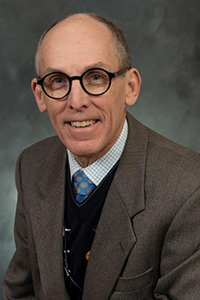
Dr. Robert Kyle - Medical Officer of Health
The Health Department is responsible for the delivery of public health programs and services.
Email Dr. Kyle
| Business Affairs |
|
Zahra Jaffer, Director - Business Affairs
Business Affairs is responsible for the financial management, facilities and privacy and security within the department as well as the administrative staff that support all divisions within the department.
Email Zahra Jaffer
|
| Health Protection |
|
Anthony Di Pietro, Director - Health Protection
The division acts as protectors of the public's health through inspection, investigation and enforcement of various Acts and Regulations governing food safety, safe water, infectious diseases, health hazards and control of smoking and vaping in public places and the workplace.
Email Anthony Di Pietro
|
| Oral Health |
|
Dr. Maryam Pezeshki, Director - Oral Health
Responsible for school dental screening, oral health promotion and education, and oral health clinical programs to assist low income families and seniors in Durham Region access dental care.
Email Dr. Pezeshki
|
| Paramedic Services |
|
Troy Cheseboro, Chief - Region of Durham Paramedic Services
The Chief provides divisional oversight and planning for all areas of Paramedic Services.
Email Troy Cheseboro
|
| Population Health |
|
Kavine Thangaraj, Director - Population Health and Chief Nursing Officer
Population Health Division is responsible for the delivery of the following programs: Healthy Living, Healthy Families, Infant and Child Development, Infectious Disease Prevention and Control, Immunization and Durham Health Connection Line.
Email Kavine Thangaraj
|
|
| Community Growth and Economic Development |
|

Sandra Austin - Commissioner of Community Growth and Economic Development
The Community Growth and Economic Development Department is responsible for managing growth and development in Durham Region.
Email Sandra Austin
| Community Growth Division |
|
Colleen Goodchild, Director - Community Growth
Overall responsibility for the Community Growth Division including oversight of Durham Region’s Official Plan, providing guidance and direction for a variety of strategic long-range planning initiatives, development planning approvals, transportation policy, transit oriented development, the Region’s Official Plan Review and various projects under the Region’s Transportation Master Plan.
Email Colleen Goodchild
|
| Economic Development and Tourism Division |
|
Simon Gill, Director - Economic Development
Economic Development and Tourism is responsible for supporting the growth of our Regional economy through marketing, providing business services to attract new investment, enabling a vibrant tourism industry, as well as providing agricultural and rural programming in the northern townships.
Email Simon Gill
|
|
Strategic Initiatives Division
|
|
Lesley-Ann Foulds, Director - Strategic Initiatives
The Strategic Initiatives Division leads the development and delivery of a number of Regional initiatives, including the Regional Strategic Plan and organizational performance, key policy files, government and community relations, and innovation.
Email Lesley-Ann Foulds
|
|
Environment and Climate Division
|
|
Ian McVey, Director - Environment and Climate
The Environment and Climate Division is Durham Region’s centre of excellence on key environmental sustainability priorities. Overall responsibilities include supporting the greening of the Region’s internal operations, working with external partners to empower all communities, and growing the Region’s reputation as a leader in environmental stewardship and climate action.
Email Ian McVey
|
|
| Legal Services |
| |
| Social Services |
|
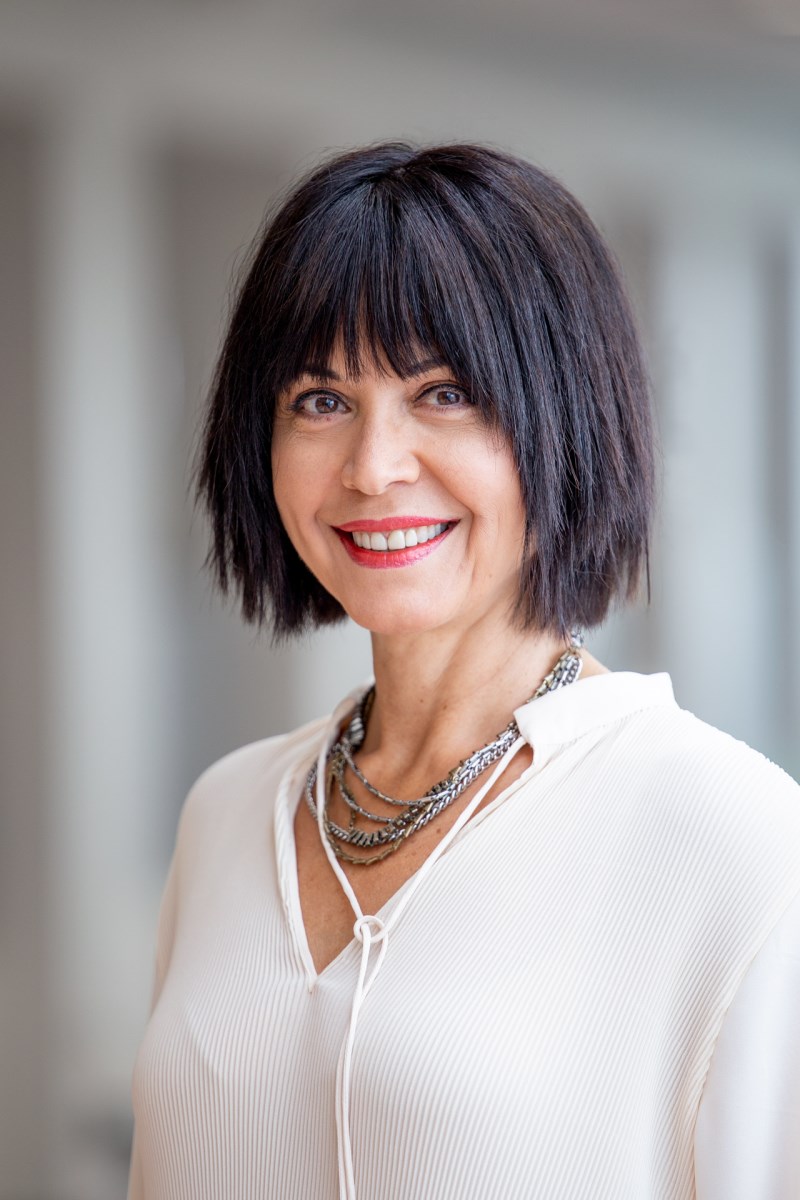
Stella Danos-Papaconstantinou - Commissioner of Social Services
Seven divisions make up the Social Services Department. These divisions provide professional and high-quality services for Durham Region residents.
Email Stella Danos-Papaconstantinou
| Affordable Housing Development and Renewal |
|
Gary Muller, Director - Affordable Housing Development and Renewal
Affordable Housing Development and Renewel is responsible for creating new opportunities for affordable and supportive housing. The division identifies and manages new projects on properties owned by the Region and Housing Durham, builds development partnerships with private and non-profit housing providers, and oversees the Region's At Home Incentive Program to build new affordable housing.
Email Gary Muller
|
| Business Services |
|
Jonathan Dixon, Director - Business Services
The Business Services Division delivers administrative, financial, and emergency supports with a focus on service excellence and responsible resource management - empowering individuals and communities to thrive.
Email Jonathan Dixon
|
| Children's Services |
|
Julie Gaskin, Director - Children's Services
The Children's Services Division plans, manages and oversees funding for Durham's early years and child care system. The division takes a lead role in Durham's Best Start Network and operates seven licensed early learning and child care programs as well as Durham Behaviour Management Services.
Email Julie Gaskin
|
| Family Services |
|
Marusia Laschuk, Director - Family Services
The Family Services Division helps to improve the quality of life for people living or working in Durham Region who are experiencing mental health and other issues by providing professional and accessible counselling, psychotherapy, education and other support services.
Email Marusia Laschuk
|
| Housing Services |
|
Erin Valant, Director - Housing Services
Housing Services supports social housing providers and manages properties directly owned by the Region. It also funds programs to prevent homelessness and encourages the creation of affordable housing.
Email Erin Valant
|
| Income, Employment and Homelessness Support |
|
Lisa McIntosh, Director - Income, Employment and Homelessness Support
Income, Employment and Homelessness Support delivers the Ontario Works Program. Ontario Works gives financial assistance and basic health benefits to people in need. A wide range of employment services are also available to help people find jobs.
Email Lisa McIntosh
|
| Long-Term Care and Services for Seniors |
|
Laura MacDermaid, Director - Long-Term Care and Services for Seniors
The Long-Term Care and Services for Seniors Division provides programs and services in four Regionally owned and operated accredited long-term care homes. The division also provides respite care, caregiver relief and Adult Day programs.
Email Laura MacDermaid
|
|
| Transit |
|

Bill Holmes - General Manager
Durham Region Transit (DRT) is responsible to plan, schedule, and deliver public transit for the Region of Durham, collaborating with our stakeholders to provide innovative mobility and technology solutions for residents and visitors regardless of where they live, work or travel across the Region.
Email Bill Holmes
| Maintenance |
|
Christopher Norris, Deputy General Manager - Maintenance
Maintenance team members ensure all DRT vehicles are maintained, serviced and cleaned to meet or exceed safety standards.
Our team also manages bus stops and bus stop furnishings to ensure they are safe and accessible. We work collaboratively with stakeholders to manage DRT buildings and properties, and lead capital projects such as new vehicle acquisitions, and facility construction and renovation projects.
Email Christopher Norris
|
| Operations |
|

Anthony Pezzetti, Deputy General Manager - Operations
The Operations team plans and delivers scheduled, specialized and On Demand transit services across Durham Region. In addition, the Operations team develops and delivers training curriculum for new and existing operators and support staff across the organization. On a daily basis, professional operators are supported by mobile supervisors, controllers at the Transit Control Centre and dispatchers. Behind the scenes, the team undertakes short and medium planning of transit services, operational planning and scheduling, and support strategic regional and GTHA-wide transit initiatives.
Email Anthony Pezzetti
|
| Business Services |
|
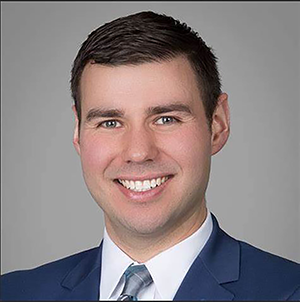
Kris Hornburg, Deputy General Manager - Business Services
Business Services provides leadership in the delivery of core business functions including customer service, safety and training, financial planning, technical services and data analytics, in addition to customer-focused fare initiatives and strategic modernization projects.
Email Kris Hornburg
|
|
|
Works
|
|
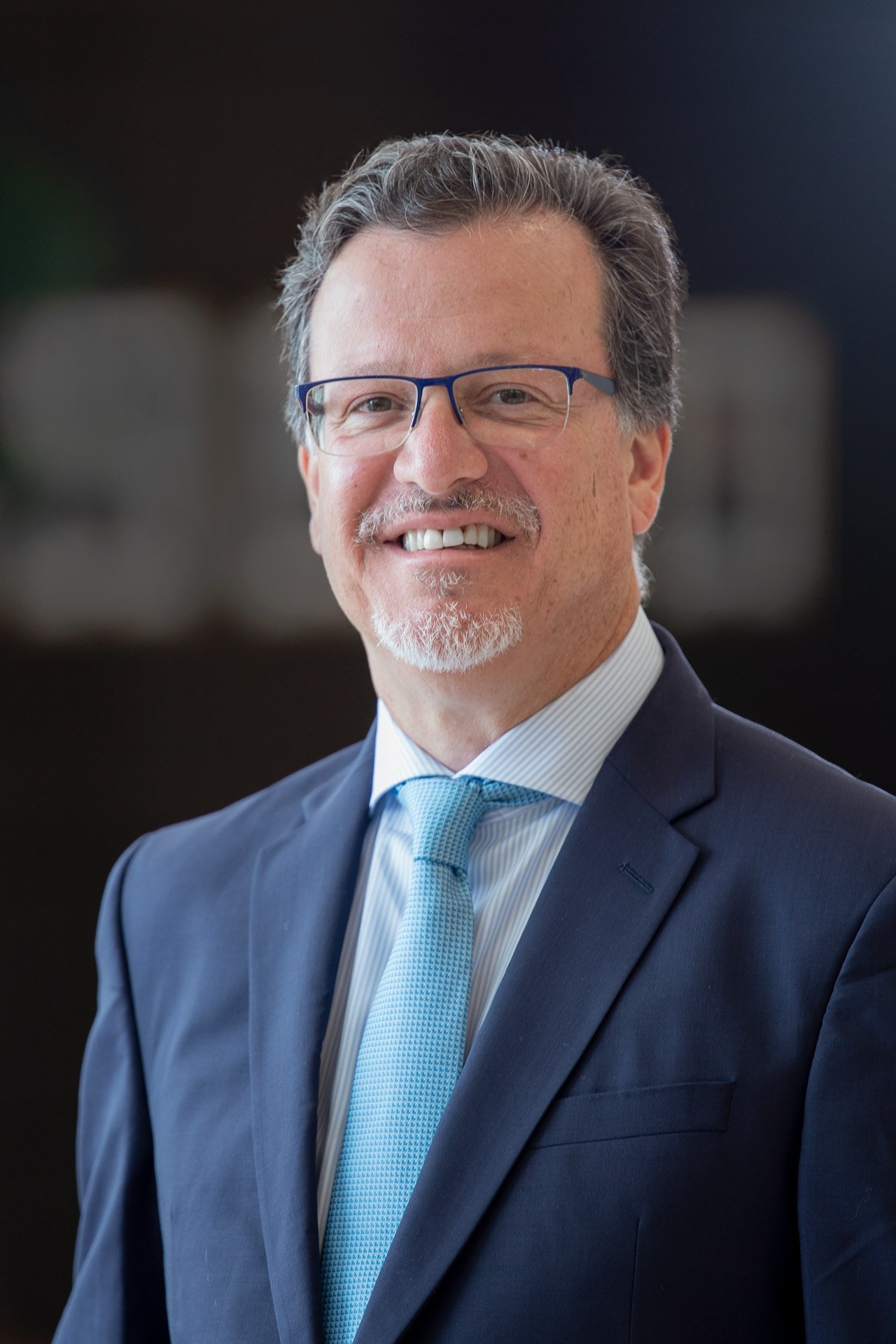
John Presta - Commissioner of Works
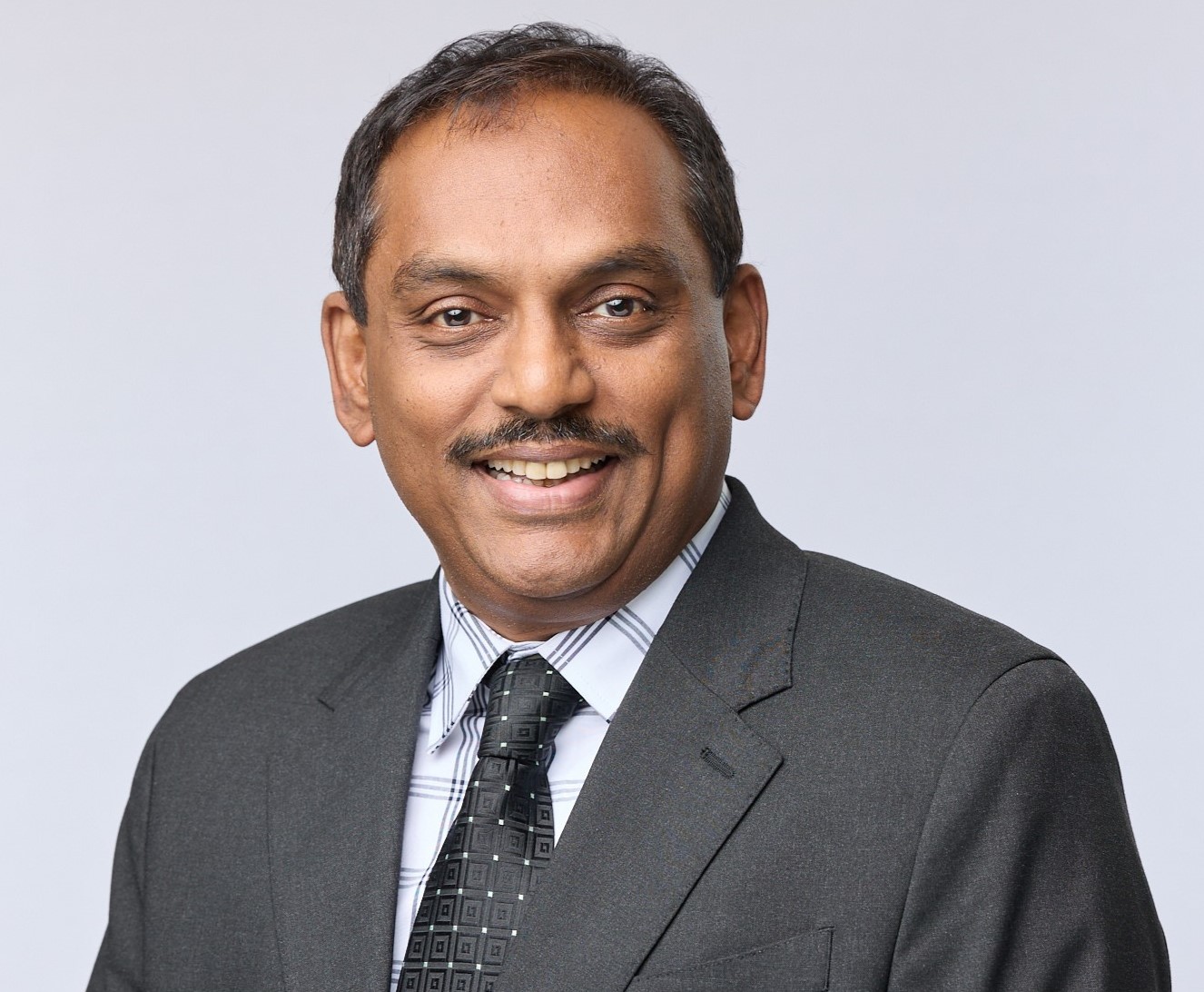
Ramesh Jagannathan - Commissioner of Works
Email Commissioners of Works
The Works Department provides services for residents and businesses in the Durham Region:
- Drinking water distribution and treatment
- Sewage collection and treatment
- Maintenance of Regional roads
- Waste management
| Capital Projects Delivery |
|
Dan Waechter, Director - Capital Projects Delivery
Responsible for the design and construction of Regional roads, bridges, sanitary sewer collection and water distribution systems, water supply plants, reservoirs and booster pumping stations, water pollution control plants and pumping stations, as well as infrastructure asset management strategies.
Email Dan Waechter
|
| Corporate Infrastructure and Strategic Business Services |
|
Christine Dunkley, Director - Corporate Infrastructure and Strategic Business Services
Areas of responsibility include real estate acquisitions and disposals; property management activities including the general management of the Durham Region Forest tracts; the management of Regional facilities and leased premises including design, construction, operation, maintenance and demolition activities; the operation and management of Regional Headquarters; the coordination of comments related to various development applications, servicing and subdivision agreements; the issuance of water and sewer connection permits; and the provision of financial and administrative support for all Works Department programs.
Email Christine Dunkley
|
| Environmental Services |
| Director - Environmental Services
Responsible for planning, design, construction, operation and maintenance of water supply and sanitary sewerage services.
Email the Director
|
| Transportation and Field Services |
|
David Dunn, Director - Transportation and Field Services
Responsible for corridor management, rapid transit, and the operations and maintenance of Regional roads, traffic signals, and linear water and sewer infrastructure.
Email David Dunn
|
| Waste Management Services |
|
Andrew Evans, Director - Waste Management Services
Responsible for systems policy development, planning and design, effective and efficient garbage, organics and composting collection and processing service delivery to support diversion in Durham's residential sector.
Email Andrew Evans
|
|