
The Wild Wild West…in Durham?
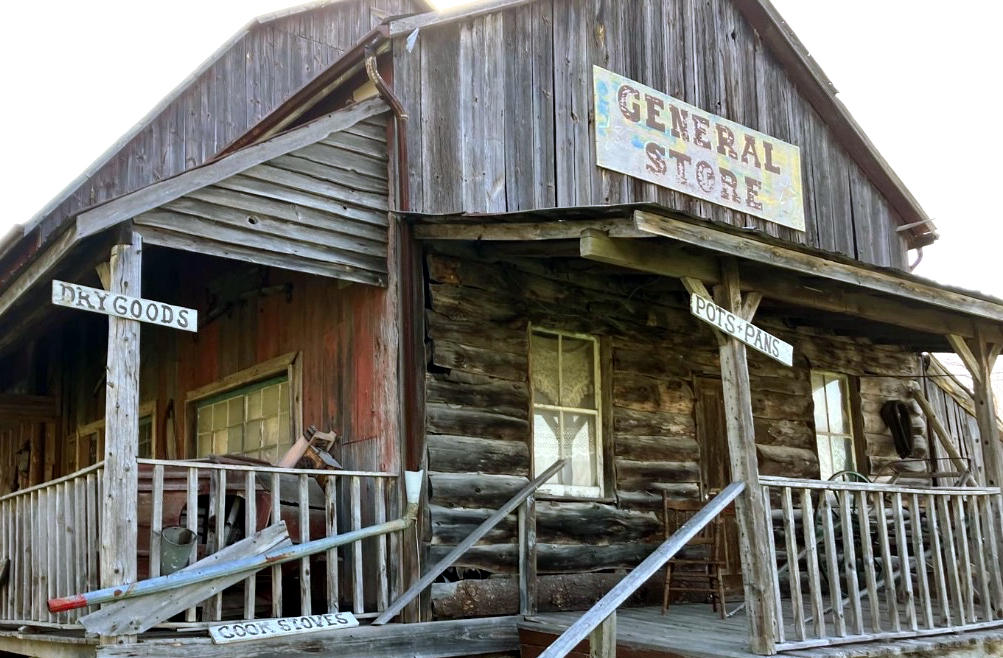
Just outside of Newcastle, tucked away from major production centres, lies Docville Film Set — a fully realized Old West town that creates the illusion of a bustling frontier settlement. Step onto the street and the illusion takes hold immediately. Wooden storefronts line the road; a weathered saloon anchors the scene, and every surface carries the texture of age and use. At any moment, it feels as though a rider could pass through the frame.
What makes Docville remarkable is not only its realism, but also the singular vision behind it. It is the product of a lifelong passion that began somewhere else entirely.
From Musician to Maker
Before Docville existed, Steve “Doc” Holliday was well known in a very different creative world. Based in Southern Ontario, he built a career in music that stretched from Whitby and Oshawa to Nashville. A multi-instrumentalist musician and vocalist, he played the drums and bass guitar, and as a producer, collaborated widely, achieving international success, including a number one hit in Germany.
Projects such as Hands of Time and performances with groups like Unhinged, Doc Rock and the Assassins, as well as Doctor Rock and the Wild Bunch established his reputation. His long-standing connection to Nashville, dating back to the mid-1980s, helped shape both his unique sound and professional network.
Running parallel to that career was a lifelong fascination with Westerns. It was not simply an interest in the genre, but a deep appreciation for its visual language and storytelling traditions. Over time, that passion began to take tangible form.
An Unexpected Starting Point
Docville Film Set did not begin with a production plan or a business model. It started with a property purchase in 1985. The real estate listing described a “gentleman’s country estate,” but the reality was far less polished the land was overgrown and in poor condition.
Rather than walk away, Holliday committed to restoring it. With help from his father, he spent months clearing the land, rebuilding its foundation piece by piece. At that stage, there was no clear endpoint. What emerged was gradual, shaped by imagination and persistence rather than a defined blueprint.
The transformation from neglected farmland to Western streetscape was not immediate. It evolved through a series of practical decisions regarding the buildings that slowly became a western town setting.
Building a Believable World
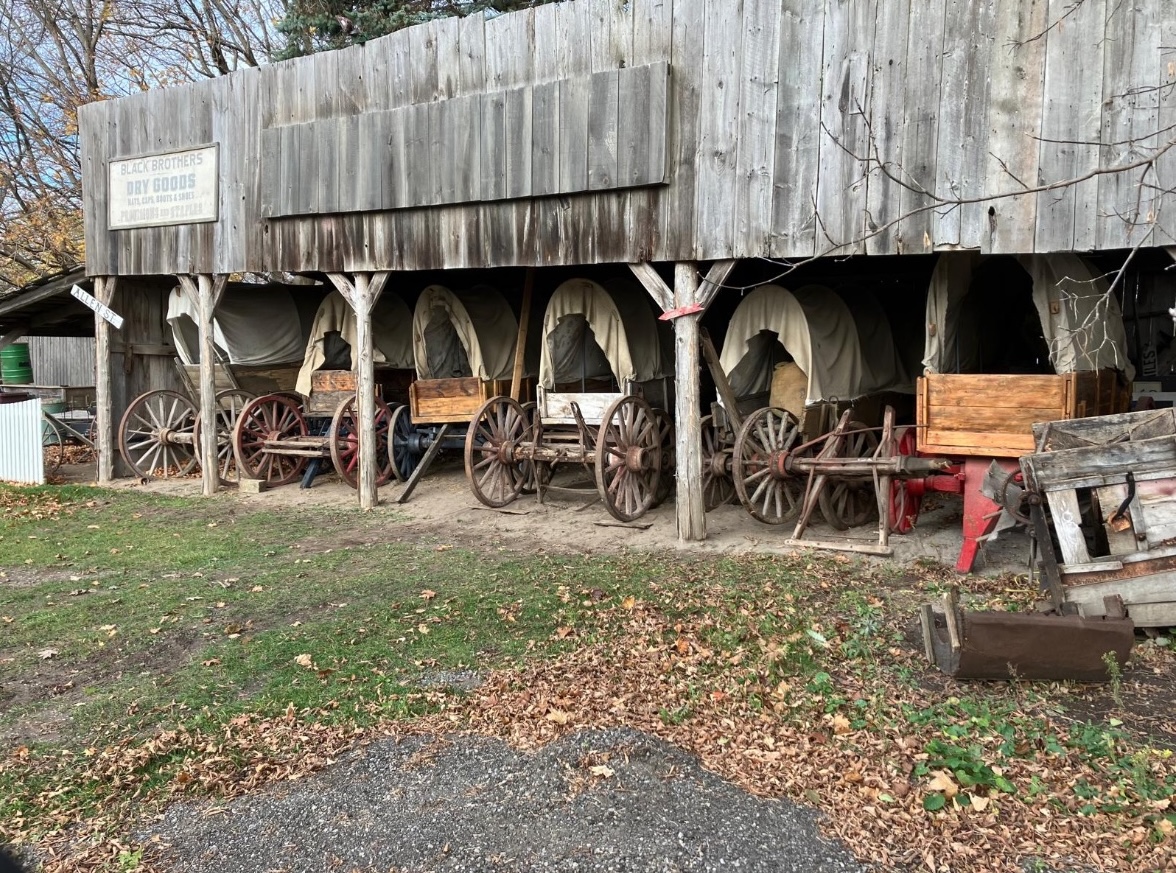
Docville’s authenticity comes from how it was built. Holliday relied heavily on reclaimed materials, particularly an abundance of old barn boards he removed from an existing structure, to give the buildings a natural sense of history. Surfaces were not manufactured to look aged. They simply were.
Improvisation played a crucial role. Structures that could not be removed were reworked to fit into the design. One building was transformed into the town saloon and reinforced with concrete while maintaining an Old West appearance.
Over time, these individual decisions came together to create a complete town. With a saloon, hotel, jail, mining camp and full two-sided streetscape, the set feels like a real place rather than a collection of props. Each building and detail help to bring the frontier town to life.
Designed for the Camera
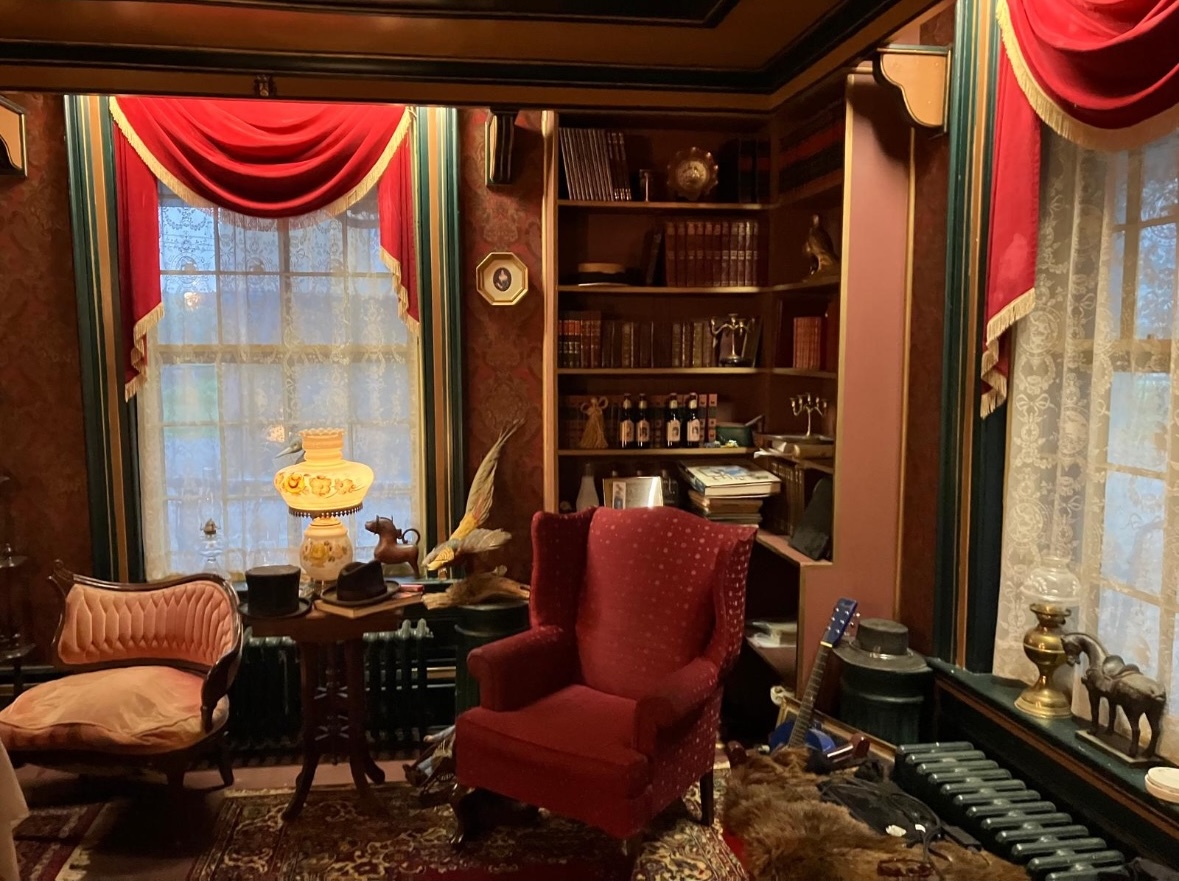
While Docville began as a personal project, the site gradually attracted professional film and television productions as it expanded. Its layout allows for flexibility, with interconnected areas that support a variety of scenes from many different perspectives. Exterior streets flow into interior spaces, including a barn adapted for shooting firearms.
Buildings are designed with film and television production in mind, offering multiple camera angles without requiring major resets. Even the main house has been adapted for different visual purposes, allowing it to stand in for a range of period settings.
This practical design has turned Docville into more than a backdrop. It is a working environment shaped by the needs of filmmakers for both interior and exterior cinematography.
A Growing Presence in Film
Docville’s inclusion in the Ontario Creates Production Guide Digital Location Library also marked an important step in establishing it as a recognized location.
Projects filmed at Docville include American Lawmen, which made extensive use of its historical realism, and Leslie, My Name Is Evil, which contributed to its growing visibility. The 2006 crime/drama film Hollywoodland starring Ben Affleck and Diane Lane was a memorable experience for Steve as he got to watch the famous actors at work. Commercial work has also played a role, with campaigns such as Sling TV and a Heineken commercial.
For Holliday, the reward is in seeing the finished product. What began as a constructed space became part of a larger narrative once this location was seen on the big screen.
Why Productions Return
Durham Region is growing quickly as a preferred filming destination for many production companies. It plays a key role in all aspects of Ontario’s film and television industry – especially feature films, television series and post-production.
As one of Durham’s unique filming locations Docville offers a combination of qualities that are difficult to replicate. Its proximity to Highway 401 makes it easily accessible from the Toronto-based studios, while its expansive setting maintains the isolation needed for Western-style storytelling. Parking, nearby amenities and services, as well as overall logistics support the demands of production cast and crews.
Most importantly, it eliminates the need to build a film studio from scratch. For many projects, especially those working within tight timelines or budgets, having a ready-made environment is a significant advantage. It is this balance of authenticity and practicality that keeps filmmakers coming back.
A Creative Hub Beyond Film
Although film production is central to Docville, it is not its only purpose. Music remains a constant in Holliday’s life, and the property often serves as a space for rehearsal, recording, performance and collaboration. Musicians, including members of Harem Scarem and the late Phil Naro, have worked within the space and Docville’s distinctive setting has also made it a popular location for music video shoots.
This dual identity reflects Holliday’s broader creative path. Docville is not separate from his music career but an extension of it, another way of building and supporting storytelling.
Adapting Through Industry Changes
Like much of the film industry, Docville faced challenges during COVID-19 followed by the impact of the 2023 film industry labour disruptions. Rather than remain idle, Holliday adapted the space for alternative uses. Seasonal haunted attractions made use of its atmosphere, and smaller productions continued to operate on site.
Collaborations with independent groups such as Oblivious Muse Films helped expand its reach, bringing in new creative voices and approaches. These shifts reinforced the flexibility that has always defined Docville.
A Private Vision with Lasting Impact
In recent years, Holliday has stepped back from offering scheduled public access, focusing instead on maintaining the quality and usability of the location for professional work. The goal is not expansion for its own sake, but preservation of what makes the space effective. Docville continues to evolve, but always within the framework of its original vision.
A Town Built by Hand
Docville stands as a rare example of creative ingenuity and hard work in a digital era. Where many productions rely on temporary builds or visual effects, this is a physical environment constructed over decades. Every structure reflects time, effort, and a clear creative intent to last for a long, long time.
What began as an overlooked piece of land has become a fully realized Western town. Not as a themed attraction, but as a unique working space where stories can be told with a sense of authenticity that cannot easily be replicated. Steve “Doc” Holliday did not set out to build a legacy project. He set out to create something he believed in. The result is a place where that belief still shapes every frame.