





 Back to Search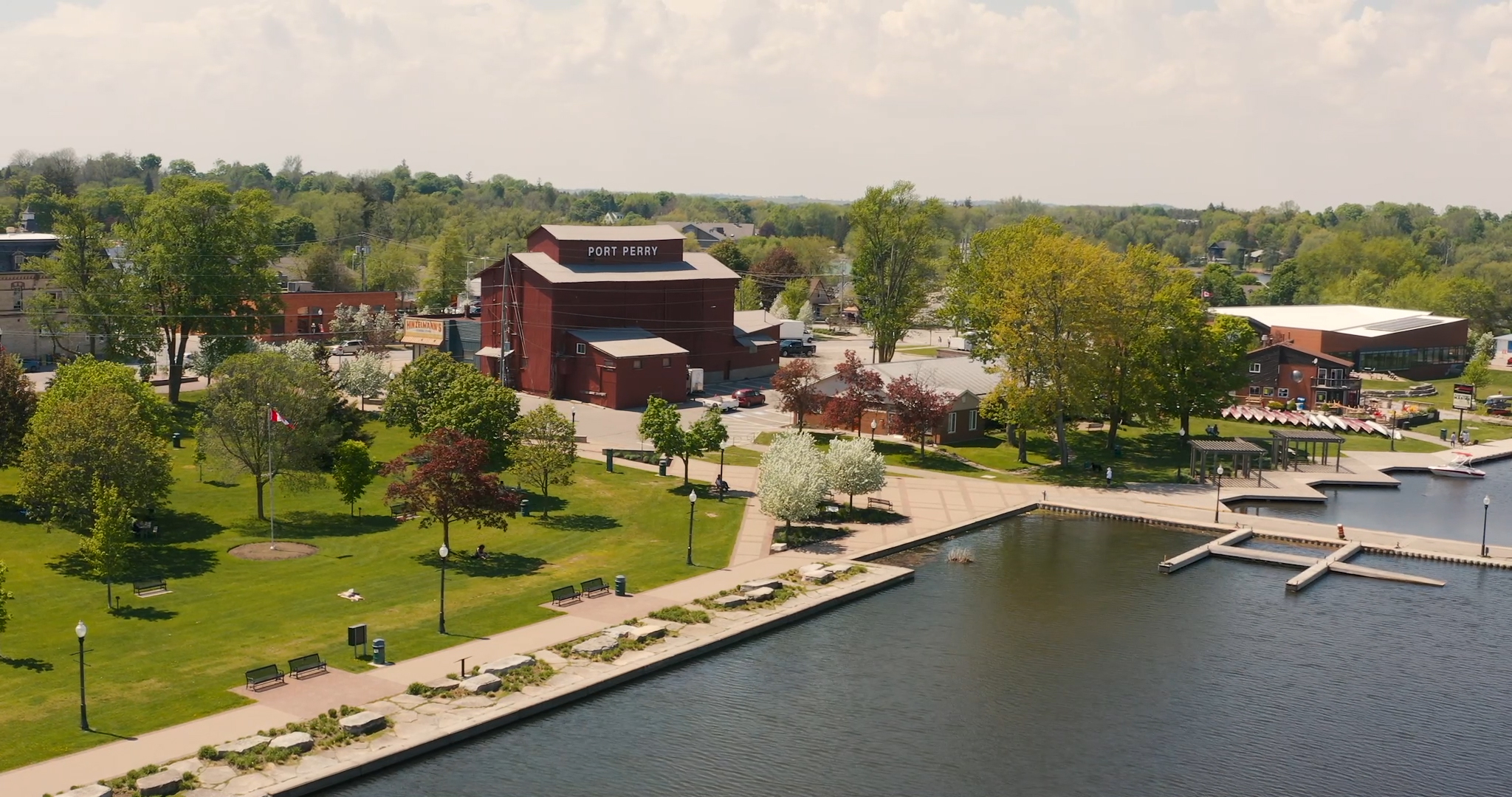
Downtown Port Perry along Lake Scugog.
In a province packed with destinations competing for attention, Port Perry stands apart. Not as another town in Durham Region, but as distinct, with the bones, history and momentum to become Ontario’s next iconic small-town destination.
According to local entrepreneur Jack Doak, for those willing to look beyond population counts and commuter maps, Port Perry reveals something far more valuable: identity. And in tourism—and entrepreneurship—identity is everything.
“Port Perry has to be thought of as a separate jewel,” says Jack, who owns several Port Perry-area businesses including Port Cheese Co., Two Blokes Cider and the iconic Old Flame Brewery. “That idea, that Port Perry is distinct, not interchangeable, is the foundation of its next chapter.”
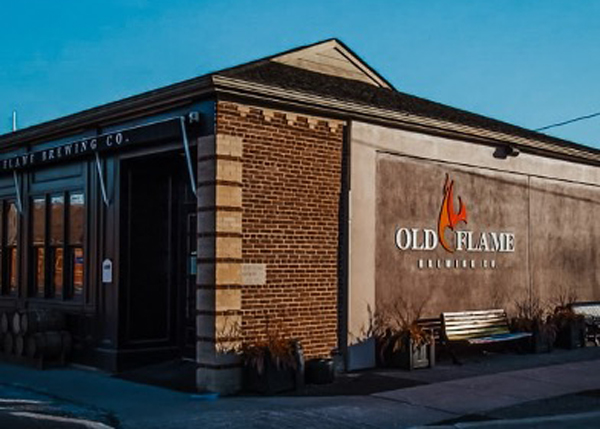
Old Flame Brewing, located in the heart of downtown Port Perry.
A Destination Town in a Rapidly Growing Region
Port Perry’s future doesn’t lie in becoming an extension of north Oshawa or another stop along Highway 401’s growth corridor. It lies in leaning fully into what it already is: a heritage waterfront town with deep recreational roots and natural beauty tied directly into the Trent–Severn Waterway.
That’s why Port Perry attracted nearly 2.3 million visits from tourists and locals alike in 2024. The town functions as a destination for the rapidly growing urban communities stretching from Scarborough to Orono. “Any business in Port Perry does not survive on the population of Port Perry alone,” says Jack. “It’s a destination for everyone living from Lake Ontario up to the 407.”
The challenge—and the opportunity—lies in what happens next.
Where Port Perry Wins
Queen Street is Port Perry’s greatest asset, not just because it’s beautiful, but because it’s authentic.
The historic facades, independent shops, restaurants, cafés and galleries weren’t originally built to attract tourists. They’re the result of decades of stewardship by owners who cared about place as much as profit. It’s a story tourists recognize immediately and one locals can feel proud of.
In this, Jack sees a clear path forward. “Queen Street ends at the waterfront with the oldest grain elevator in Canada, and then opens up into this incredible public space. That’s an anchor most towns would dream of.”
This natural flow, from heritage main street to lakefront, is rare in Ontario. Even rarer is how intact it remains. Jack believes this is the perfect opportunity to elevate Port Perry into the same category as places like Niagara on the Lake, Prince Edward County or Stratford.
These destinations didn’t win by growing bigger. They won by growing smarter and building experiences that encourage people to linger or better yet, as Jack suggests, “give them enough reasons to want to stay for the weekend.”
Beyond the historic core, Port Perry has another powerful card to play: Island Road.
With agricultural land, open space and existing hospitality infrastructure, Island Road has the ingredients to support a thriving tourism ecosystem.
“Climate change may be an uncomfortable truth, but it’s already allowing wineries and cideries to thrive here,” Jack notes. He adds those changing conditions are also influencing the growth of culinary and agri tourism experiences in the surrounding area.
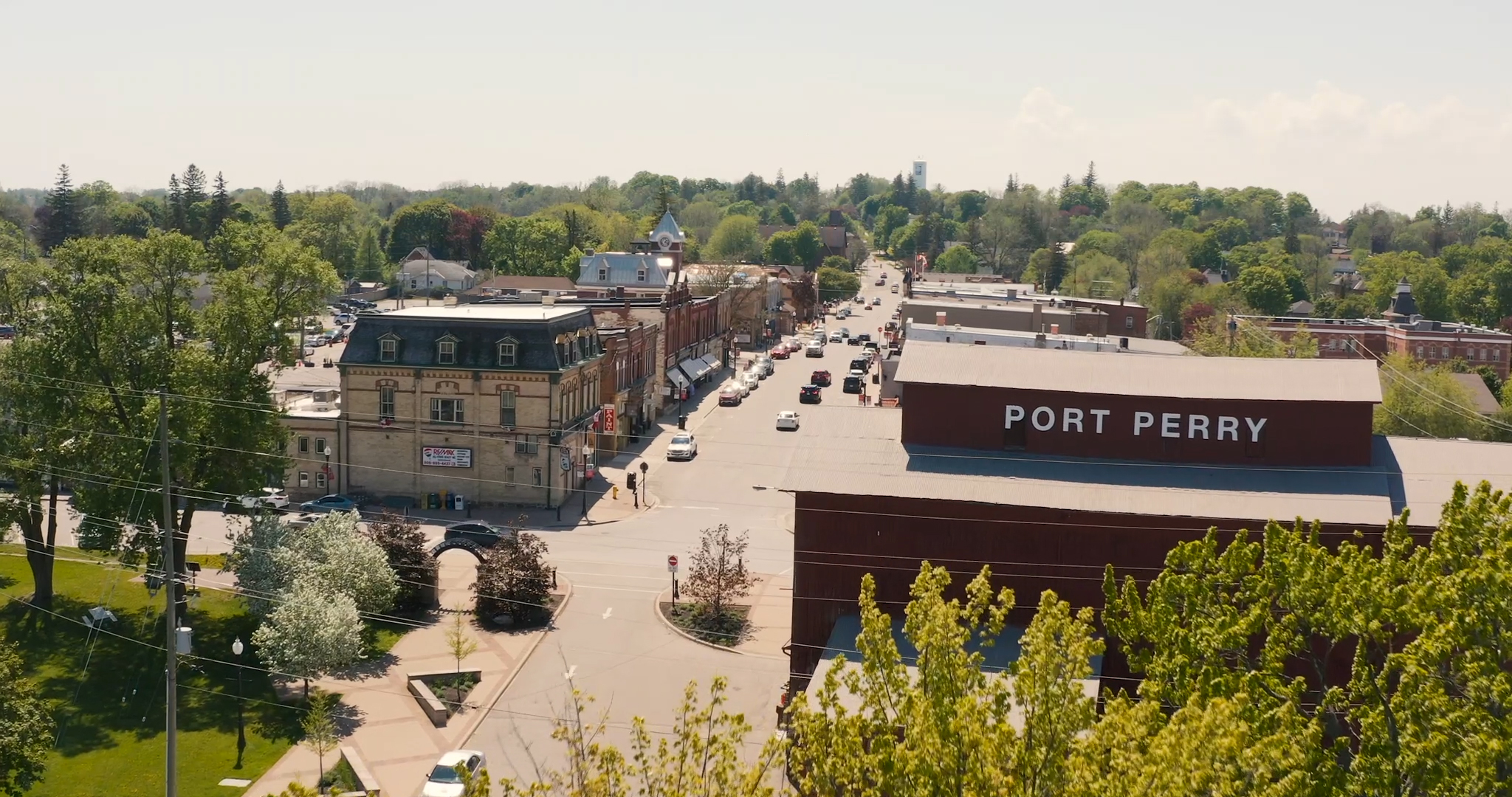
Downtown Port Perry, at the end of Queen Street.
Why This Town Works for Entrepreneurs
Investors will quickly come to realize that Port Perry provides something many founders seek but don’t often find: a people focused place to do business.
The town rewards businesses that understand experience over volume. Independent operators, especially in food, beverage, retail and culture, aren’t competing against chains. They’re contributing to a collective reputation. This is a town where entrepreneurs can test ideas, build loyal followings and become part of the story rather than fight to be seen in a saturated market.
“If someone comes to your town and feels welcome, they come back. And if they keep coming back, that’s the person who eventually wants to live here,” says Jack.
This is the key reason he continues to invest locally.
“If someone has a passion for history, wants to restore a building, live here, work here—this is an ideal time to invest in Port Perry. The dance has already started.”
This isn’t about overdevelopment. It’s about finishing the tourism ecosystem that already exists.
The takeaway for Jack? “The waterfront, the downtown, the history, the visitor demand—it’s all already here.”
The question isn’t if Port Perry’s moment will arrive.
It’s whether it will be a moment worth remembering.


