



Budget and Financial


Help shape the 2026 Budget!
Durham Region residents are invited to share their feedback and input to help us shape priorities for the 2026 Budget to be considered by Regional Council in December 2025.
We want to hear from you!
Residents can participate and share their input online by using the Have Your Say! Tool or emailing budgets@durham.ca
Stay tuned for details about the Budget Town Hall this fall!
Interested in learning more about the Budget? Watch this short video to learn how the budget is prepared to support important programs and services for our community.
Regional Council approves 2025 Business Plans and Budget including water and sewer rates
Durham Regional Council has approved the 2025 Business Plans and Budget including the water supply and sanitary sewer use rates.
The approved budget requires a net property tax increase of 7.4 per cent (4.4 per cent for Durham Regional Police Service, 3 per cent for Regionally supported services). For residents this means approximately 5.8 per cent increase in the overall property tax bill and a monthly increase of approximately $20 for an average residential property in Durham Region.
As part of the budget, the 2025 water supply and sanitary sewer user rates will increase by 5 per cent, or approximately $5 per month for an average household. This increase supports ongoing maintenance and operation of the water supply and sanitary sewerage systems, in addition to several major projects planned for 2025, including multi-year expansion and upgrades to the Whitby Water Supply Plant. Information about Durham Region’s water and sanitary sewer system is available at durham.ca/WaterandSewer.
Through the 2025 Business Plans and Budget, the Region is investing to improve the lives of people and businesses in Durham through everyday services—ensuring a healthy and safe community for all. Watch this short video to learn more:
Residents are reminded that the Municipal Property Tax Assessment Corporation (MPAC) sets the assessed value for each individual property. Questions about property valuation should be directed to MPAC at 1-866-296-6722 or mpac.ca.
Click here to view the full press release.
Region of Durham Business Plans and Budget Process
The Region of Durham provides a wide range of programs and services to a growing and diverse community of residents and businesses. The annual Business Plans and Budget outlines the cost of delivering these essential programs and services and ensures resource allocations are aligned with Regional Council’s strategic objectives and meet service, infrastructure and legislative requirements within a framework of financial stability and transparency.
The Region’s Business Plans and Budgets are a critical component of the Region’s annual business planning cycle which also includes strategic planning, economic and financial forecasting and performance measurement.
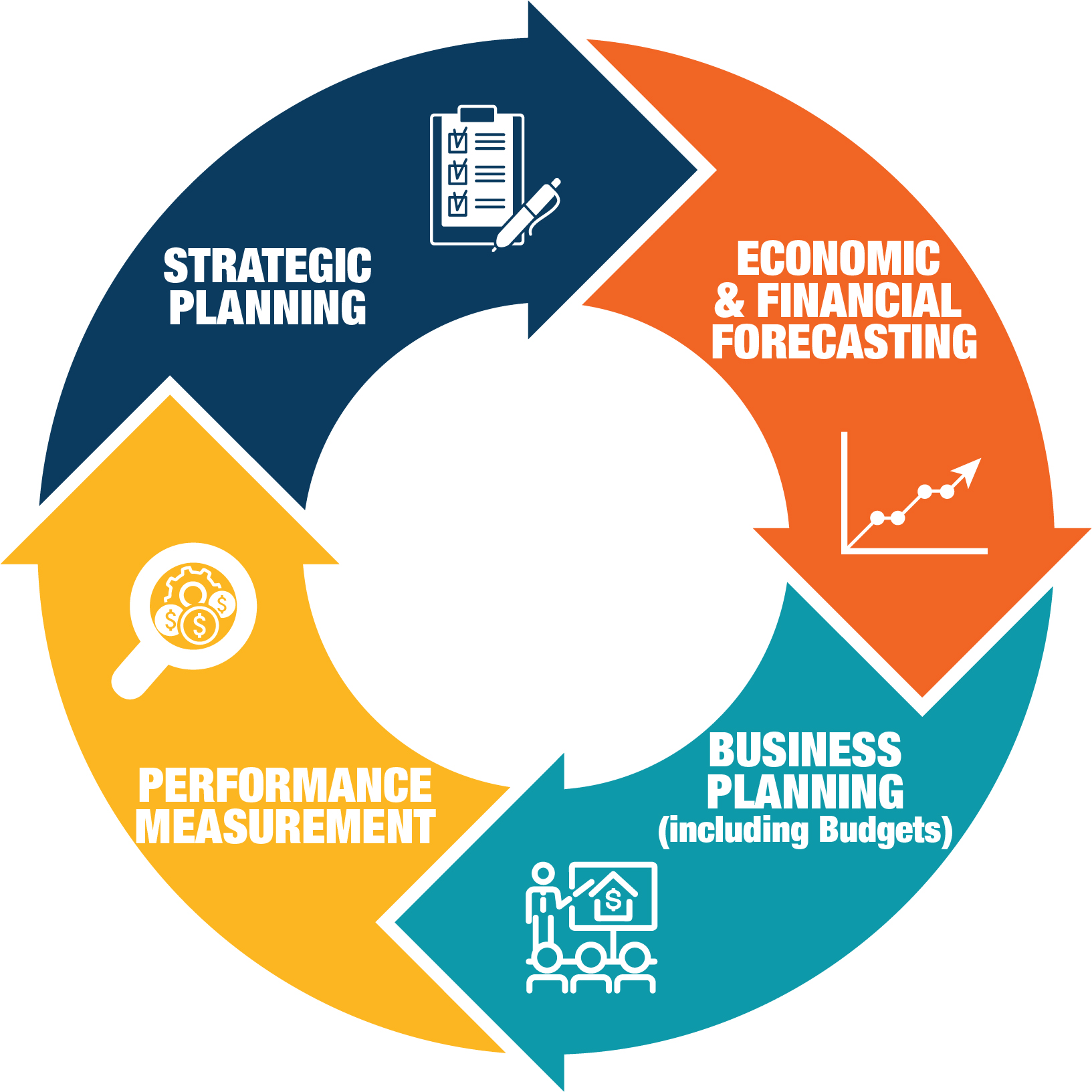
The Region prepares two budgets. The first is for services funded by property taxes, which presents the operating and capital funding requirements for the following Regional services:
- Durham Regional Police Service (DRPS)
- Durham Region Transit (DRT)
- Regional roads and bridges
- Solid waste management
- Social Services including social housing, social assistance, children’s services, family services and long-term care and services for seniors
- Public health and paramedic services
- Community Growth and Economic Development
- Emergency Management
- 9-1-1 services
The second is for water and sanitary sewer services which are billed on a consumption basis to customers who are connected to the municipal systems. These services are user rate supported and are not funded from Regional property taxes.
For more information or questions about the budget, please contact us at budgets@durham.ca or by phone at 905-668-7711 extension 2302 or 1-800-372-1102 (toll-free).
Property Tax Supported Business Plans and Budgets
| 2026 |
| 2025 |
| 2024 |
| 2023 |
| 2021 |
| 2020 |
| 2019 |
| 2018 |
| 2017 |
Long-Term Service and Financing Strategies
| Housing and Homelessness Service and Financing Strategy |
| Durham Region Transit Service and Financing Strategy |
|
Paramedic Services Service and Financing Strategy |
Water Supply and Sanitary Sewage Systems Business Plans and Budgets
| 2025 |
| 2024 |
| 2021 |
| 2020 |
| 2019 |
| 2018 |
|
2017 |
Region of Durham Water Financial Plan
| 2024 |
| 2019 |
Contact Us