


Taking a stand against hate in all its forms: Why collective action matters


 Back to Search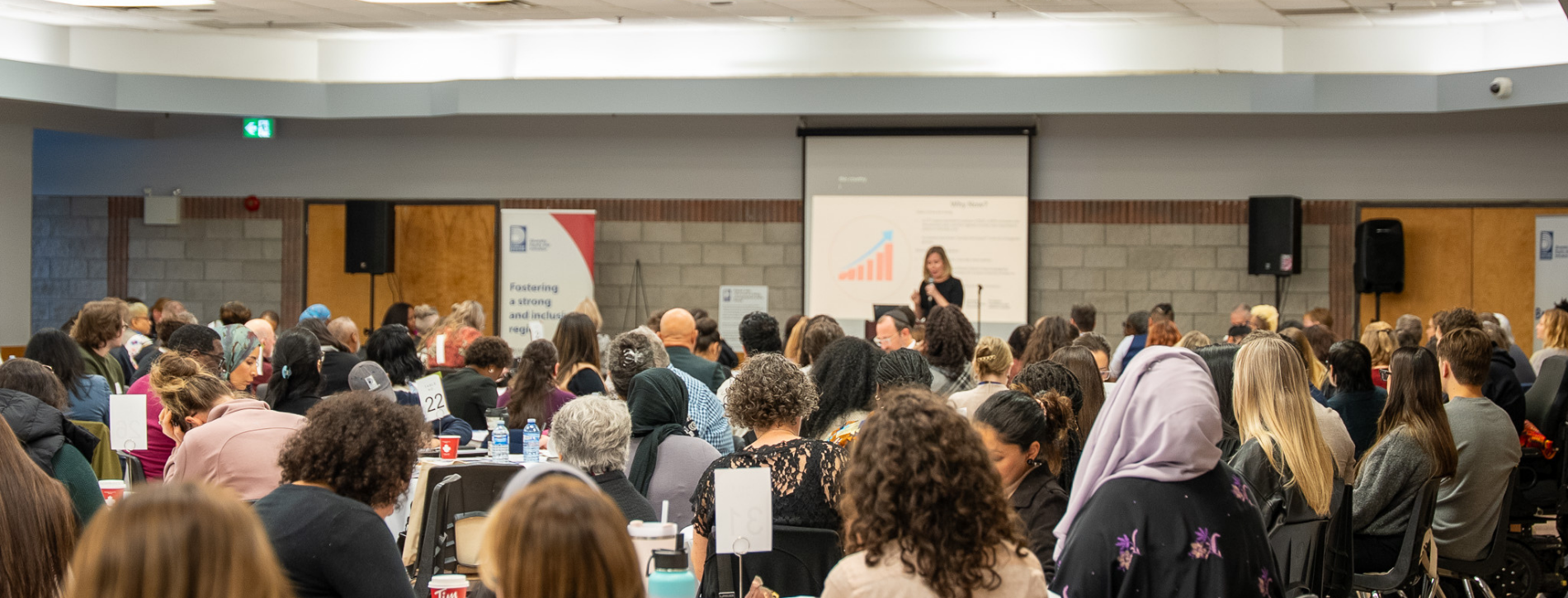
Recent media headlines highlight a troubling surge in hate-motivated crimes across Durham Region: Ajax grapples with second hateful vandalism incident. Oshawa home defaced with anti-LGBTQ2S+ slurs. Police investigating Oshawa swarming attack advocates say may have been hate-motivated. Witnesses sought after three hate-motivated graffiti incidents at Whitby libraries.
These headlines aren’t isolated. According to the Region of Durham’s Community Safety and Well-Being Dashboard, there’s been a 70 per cent increase in reported hate-motivated incidents in the past year.
"While there are many things in the world we can’t influence, we can control our responses and actions."
Together Against Hate Durham
In response to the rise in hate incidents and building on its other initiatives, the Region of Durham recently launched Together Against Hate Durham, a campaign which empowers municipalities, organizations, institutions and individuals with the tools and knowledge needed to navigate experiences of hate and take meaningful action against hate in all its forms.
Funded by a grant from the Canadian Race Relations Foundation’s National Anti-Racism Fund, Together Against Hate Durham has three strategic phases. It started with a coalition of 39 partners who came together to develop the community-driven public awareness campaign. The next step focused on education by creating resources to help people recognize, report and respond to hate while supporting those affected.
Together Against Hate Durham Conference
The third phase was the Together Against Hate Durham Conference, which took place on November 7. Over 250 people representing government, community partners and agencies, non-profits, educational institutions, students and residents took part.
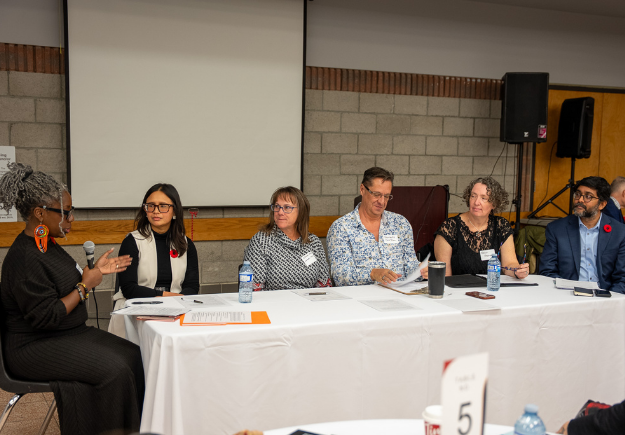
United in the belief that hate has no home in Durham Region, participants spent the day sharing and learning about hate-related issues through a keynote address and panel discussion. Speaking to the group, Dr. Barbara Perry, a professor in the Faculty of Social Science and Humanities at Ontario Tech University, and the director of the Centre on Hate, Bias and Extremism, spoke about the gaps in understanding, knowledge and skills that leave people unsure and hesitant of how to respond when hate occurs. That’s why resource development was such an important part of the Together Against Hate project. As Dr. Perry put it, “we all have a role to play.”
Echoing that sentiment, panelist Koren Kassirer, a service leader and educational director at the Beth Zion Synagogue in Oshawa noted that while there are many things in the world we can’t influence, we can control our responses and actions.
Next steps
It’s those responses and actions that are guiding the next steps for Together Against Hate Durham. At the conference, attendees had the opportunity to shape anti-hate policy recommendations, which are being presented to Durham Regional Council in 2026.
The resources that were developed by the coalition members are available for viewing, downloading or printing, and are being shared widely across the region. There are also calls for the coalition to continue its work beyond the initial project scope.
In addition, the Region of Durham has several other anti-hate projects launching in early 2026, including a
Community-Based Hate Reporting Tool and Community Healing Toolkit.
To view the Together Against Hate Durham resources, or to learn more about the other programs visit durham.ca/anti-hate.
Never miss a story. Subscribe to receive weekly updates at durham.ca/ThisWeek.
Contact Us