A garden of harvest vegetables

Shopping and Cooking

Find tips on planning, shopping, and preparing meals to support health, the community, and the environment.

Food literacy

Food literacy is a broad term that involves:

  • Making food choices for better health.
  • How to shop for, prepare and eat food safely.
  • Eating for enjoyment, culture, and tradition.
  • Understanding where and how food grows.
  • Supportive food systems and environments.

  • Meal planning
  • Grocery shopping
  • Storing food properly
  • Using leftovers
  • Recipes and cooking skills

Cooking at home is an important part of food literacy planning and cooking nourishing meals at home is good for your health. It allows children to explore food and build important life skills. Making meals at home can also help save money.

Meal planning

Food shopping list

Menu planning before you head to the grocery store helps save money and reduce food waste. Planning meals ahead makes it easier to balance your eating with a variety of healthy foods.

Here are some tips to help meal planning:

  • Make a shopping list.
  • Check if you have food items that need to be used. Build your menu around these items.
  • Plan around foods that are on sale. Look at store flyers or use apps that search for savings at stores near you.
  • Start small. Planning for even a few days ahead can help save time and money!

Grocery shopping

can tomatoes

The cost of foods is going up. To help save money when shopping:

  • See which store has the best sales on your grocery list items and shop there if possible.
  • Eat before you go shopping.
  • Look at items on the top and bottom shelves. Sometimes the more expensive brands are at eye-level.
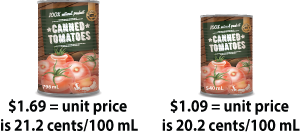
  • Compare unit prices.
  • Stock up on items on sale if you can.
Food Containers

Food storage and leftovers

Proper food storage is important to keep foods fresh and safe.

Storing foods in the right way also prevents food waste and helps save you money. Planned leftovers can often be turned into another meal. Try:

  • Making soup with leftover chicken and vegetables from the fridge.
  • Mixing vegetables and rice left from dinner with beans to make a wrap for lunch the next day.
  • Turning leftover vegetables into an omelette, frittata, or egg bhurji.

Cooking in the community

Let’s Get Cookin’! program

Let’s Get Cookin’! is a fun and easy way to teach cooking skills to children and youth ages 10 and above. The program trains staff and volunteers in schools and community organizations to become program facilitators. Facilitators must complete a 30 to 45 minute e-learning training module, followed by a short online quiz. Once training is complete, facilitators will have access to the facilitator portal which houses a variety of information, resources, and recipes to support their facilitation of the Let's Get Cookin'! program in their school or community organization.

The Let's Get Cookin’! e-learning training module is provided in PowerPoint format. Depending on your web browser and settings the module may open in your browser window, or alternately, it may download as a PowerPoint file in your "Downloads" folder.

Please ensure you've completed the Let's Get Cookin'! e-learning module prior to using resources in the facilitator portal.

Access facilitator resources to find a variety of information and recipes to support facilitation of the Let's Get Cookin'! program in your school or community organization.

Facilitators, we'd love your feedback!

Help us improve our program by completing our online Let’s Get Cookin’! evaluation form each time you complete a series.

Contact us

Health Department - Durham Health Connection Line
The Regional Municipality of Durham
605 Rossland Road East
Whitby, Ontario L1N 6A3
Telephone (within regional limits): 311
Fax: 905-666-6214
Email the Health Department
Map this location

Sign up to our Newsletter

Stay up to date on the Region's activities, events, programs and operations by subscribing to our eNewsletters.